Choosing a home solar panel system in 2026 requires more than comparing panel wattage. Your roof, electricity habits, budget, and backup expectations all matter. A sunny roof can still perform poorly when trees create afternoon shade. Battery storage can protect essential circuits during outages, but it also increases installation costs and maintenance needs.
This guide examines the leading system types, including grid-tied, hybrid, and off-grid designs. It also considers monocrystalline panels, microinverters, string inverters, and smart energy controls. Each option solves a different problem. Grid-tied systems often deliver the simplest payback. Hybrid systems add batteries for resilience. Off-grid systems demand careful load planning, especially during cloudy winter weeks.
Solar analyst and EnergySage founder Vikram Aggarwal has emphasized, “The right solar system depends on the homeowner’s goals, roof, and budget.” That principle remains practical in 2026. A large system is not automatically better. Oversizing may waste money when household consumption stays low. A small battery may disappoint when it cannot run heating equipment overnight.
Real performance depends on installation quality, shading, inverter design, and local utility rules. Ask for production estimates based on your address, not generic national averages. Check equipment warranties, installer credentials, and battery replacement assumptions. Some details remain easy to overlook. Even experienced homeowners can misjudge future electricity use.
The best choice is therefore personal, measurable, and sometimes imperfect. This overview helps you compare the major home solar panel system types before requesting professional quotes.
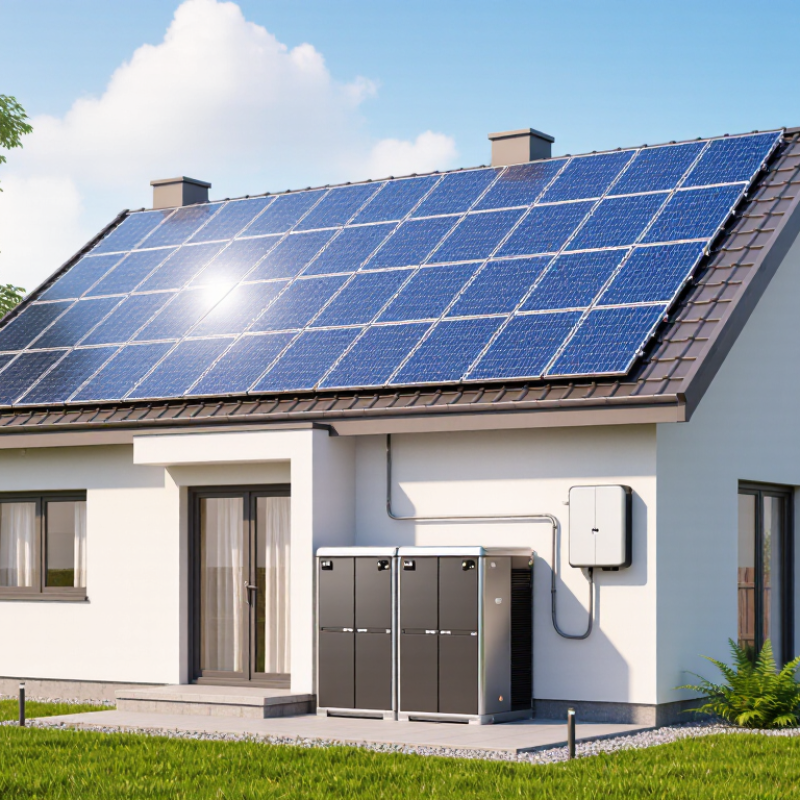
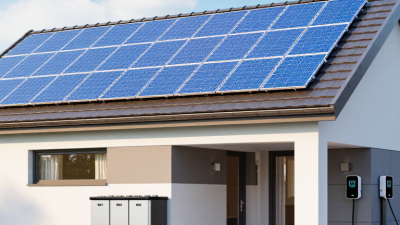
A home solar panel system converts sunlight into usable electricity through several linked steps. Photovoltaic cells produce direct current when light reaches their semiconductor layers. An inverter then changes direct current into alternating current for household appliances. Excess electricity may flow to the grid or charge a battery.
The International Energy Agency Photovoltaic Power Systems Programme reported more than 407 gigawatts of new solar capacity worldwide in 2023. That rapid growth reflects falling costs and practical improvements, but home systems still depend on local conditions. Roof direction, shading, weather, panel tilt, and household demand can change annual output significantly. Real roofs are less tidy.
A grid-tied system usually costs less and uses the utility network when solar production falls. A hybrid system adds battery storage, allowing selected appliances to operate during outages. An off-grid system needs larger batteries, careful load planning, and backup generation. The U.S. Energy Information Administration’s Residential Energy Consumption Survey found that the average American home used about 10,500 kilowatt-hours of electricity annually in 2020. That figure is useful, but it cannot define every household.
Homeowners should examine hourly electricity use, not only monthly bills. Battery sizing also deserves caution. Oversizing creates unnecessary expense, while undersizing can leave evening demand uncovered. The National Renewable Energy Laboratory’s PVWatts tool estimates production, yet its results remain estimates. Local shade measurements and installer experience still matter. Mistakes happen. Good design makes them smaller.
Solar panel systems are mainly distinguished by how they interact with the utility grid and battery storage. The chart compares the baseline capabilities of grid-tied, hybrid, and off-grid residential systems.
How to read the chart: A value of 1 means the capability is normally included in the baseline system design, while 0 means it is not. A grid-tied system is usually the simplest and most cost-effective option, a hybrid system adds battery backup and energy management, and an off-grid system is designed to operate without utility service and therefore requires storage.
In 2026, home solar systems generally fall into three types: grid-tied, off-grid, and hybrid. A grid-tied system sends excess electricity to the utility network. It usually costs less because it needs no large battery. Yet it normally shuts down during an outage for worker safety. That surprises many homeowners. Panels can sit on a bright roof, while the house still goes dark.
An off-grid system works independently from the utility network. It needs solar panels, batteries, an inverter, and careful load planning. It suits remote cabins or properties with unreliable service. Daily habits matter here. A water pump, induction cooker, and winter heating system can quickly drain storage. Designers should use local weather data, not optimistic sunshine estimates. Oversizing panels may help, but batteries and backup generators increase cost, maintenance, and space needs.
A hybrid system connects to the grid and stores solar power in batteries. It can keep selected circuits running during outages, including refrigerators, lights, and internet equipment. In 2026, many homeowners choose this balance for resilience and bill control. Professional evaluation should check roof condition, shade, electrical capacity, fire clearances, and local permitting rules. Battery placement deserves equal attention. A garage corner may seem convenient, yet heat, moisture, and ventilation can affect performance. I would not treat a calculator result as a final design. Household consumption changes, and early estimates can miss seasonal demand. Leave room for measurement and revision.
2026 Top Types of Home Solar Panel Systems: Which Is Best?
Monocrystalline panels usually provide the highest efficiency for limited roof space. They perform well on compact roofs with strong sunlight. Thin-film panels are lighter and more flexible, but they often require more area. Panel efficiency alone can mislead homeowners. A highly efficient panel may still produce less energy if shading, dust, or poor orientation affects the roof.
System cost depends on panel size, mounting work, wiring, permits, and labor. A grid-tied system usually costs less because it does not include batteries. However, it normally shuts down during a power outage. A hybrid system adds battery storage and a backup inverter. It costs more, but it can keep selected circuits running, such as a refrigerator, router, or medical equipment. Whole-home backup requires a larger battery and careful load planning.
Battery capacity is only one part of the decision. Check usable capacity, continuous output, recharge speed, warranty terms, and expected degradation. A battery may store enough energy but struggle with high startup loads from pumps or air conditioners. That detail is easy to miss. I would not choose the largest system automatically; oversizing can increase costs without improving daily savings. A smaller, well-designed system may fit the roof and budget better, although future electricity use deserves attention. Reliable sizing should come from recent utility bills, roof measurements, shading checks, and local outage patterns.
| System Type | Typical Module Efficiency | Typical Residential System Size | Approx. Installed Cost Before Incentives* | Space Requirement | Battery Compatibility | Backup Power Capability | Best For | Overall Assessment |
|---|---|---|---|---|---|---|---|---|
| Monocrystalline Silicon | 19%–24% | 4–10 kW | Approximately $10,000–$30,000 | Low; produces more power per square foot | Excellent; compatible with AC- or DC-coupled batteries | High when paired with a properly sized battery and backup gateway | Most homes, limited roofs, and high electricity use | Best all-around choice |
| Polycrystalline Silicon | 16%–20% | 4–10 kW | Approximately $9,000–$27,000 | Moderate to high | Excellent; uses the same storage architecture as other PV systems | High with a battery-based inverter; panels alone do not provide outage power | Large, unshaded roofs where upfront cost is the priority | Budget-oriented, but less common in new residential installations |
| Thin-Film | 10%–18% | 5–12 kW | Approximately $12,000–$36,000 | High; requires more roof or ground area | Good; battery choice depends mainly on inverter design | High only when connected to an appropriate storage and transfer system | Large roofs, lightweight structures, or certain low-light applications | Useful in specific situations, but usually not the best value for a typical home |
| Bifacial Solar Modules | Typically 19%–23% front-side efficiency | 4–10 kW | Approximately $11,000–$33,000 | Low to moderate; rear-side gains require reflective space | Excellent; compatible with standard residential battery systems | High with battery storage and a backup-capable inverter | Ground mounts, elevated arrays, and bright or reflective surfaces | Potentially productive, but roof-mounted gains may be limited |
| Grid-Tied Solar Without Battery | Depends on the selected panel; commonly 19%–24% | 4–10 kW | Approximately $10,000–$30,000 | Depends on panel type and roof layout | Battery can be added later if the inverter supports expansion | Usually none during a grid outage for safety reasons | Lowest upfront cost and maximum bill reduction | Best for savings when outage protection is not essential |
| Solar-Plus-Storage Hybrid System | Depends on the selected panel; commonly 19%–24% | 5–12 kW plus 10–30 kWh of storage | Approximately $18,000–$55,000 | Depends on PV array and battery location | Integrated; designed for daily cycling and outage operation | Best residential backup option; duration depends on battery size and loads | Homes needing backup, time-of-use savings, and greater energy independence | Best choice when resilience is a major priority |
| Solar-Plus-Generator Backup System | Depends on the selected panel; commonly 19%–24% | 5–12 kW, often with a smaller battery | Approximately $20,000–$60,000 | Requires space for solar equipment and a compliant generator installation | Good; battery size can be reduced when a generator is available | Very high for long outages, provided fuel is available | Areas with frequent or prolonged outages | Strong resilience, but adds fuel use, maintenance, noise, and permitting needs |
Choosing the best home solar system starts with your household’s real energy pattern, not a sales brochure. Review twelve months of electricity bills before comparing equipment. Note your highest-use hours. Air conditioning, water heating, and electric vehicles can change the design significantly.
A grid-tied system usually costs less and works well where utility service is reliable. It can send unused electricity to the grid, but it normally shuts down during an outage.
A hybrid system adds battery storage, keeping selected lights, refrigerators, and internet equipment running.
An off-grid system needs larger batteries and careful backup planning. It suits remote homes, but its higher cost is easy to underestimate.
Roof condition matters as much as panel efficiency. Ask an installer to check shading, roof direction, structural strength, and available space. A small chimney shadow can reduce output during several hours.
Battery size should match essential loads, not every appliance in the house. Otherwise, you may pay for capacity that rarely helps.
Ensure the installer provides production estimates, equipment warranties, maintenance details, and permits required by local authorities. An independent electrical inspection adds useful protection.
Real homes are imperfect. Trees grow, families change, and electricity rates move. Leave some design flexibility instead of choosing a system based only on today’s bill.
Installation quality often matters more than the panel type. A qualified installer should inspect roof age, shading, wiring, and structural strength before quoting. Panels need a clear path to sunlight, while inverters require dry, ventilated spaces. Keep access paths open.
Local permits and electrical rules must guide every connection. Do not place equipment where rising heat or water can shorten its life. I have seen attractive layouts fail because installers ignored morning shade from nearby trees. A second site check could have prevented that mistake.
Maintenance is usually simple, but it is not zero. Check panels twice yearly for dust, leaves, cracks, and loose hardware. Heavy pollen may reduce output, especially on shallow roofs. Use safe cleaning methods, and never climb onto unstable surfaces. Review monitoring data monthly. A sudden drop may indicate shading, wiring trouble, or inverter faults. Professional electrical testing remains sensible every few years.
Plan future upgrades before installation. Leave spare conduit space for batteries, additional panels, or an electric vehicle charger. Choose an inverter system that can support later expansion, if practical. Battery prices and household demand may change. Oversizing today can also waste money. The best plan allows growth without forcing a complete redesign. Load calculations should be updated when appliances, heating systems, or family routines change.