Home Solar Panel System Tips for Choosing the Best Option?
The home solar panel system market is rapidly growing. According to the U.S. Energy Information Administration, solar energy accounted for about 3% of total electricity generation in 2020, a significant increase over the previous years. Choosing the best option involves considering various factors that impact efficiency and cost.
Homeowners often overlook crucial details. Factors such as location, energy needs, and roof orientation matter. Studies show that a well-placed solar panel system can reduce energy bills by 50% or more. However, incorrect installations can lead to less optimal energy production, which is a common concern among new buyers.
Expert recommendations emphasize the importance of thorough research. Homeowners should analyze available technologies and their long-term benefits. With solar panel companies emerging rapidly, some may lack experience. Reliable assessments and comparisons can guide better choices for a home solar panel system. Making an informed decision is vital for maximizing both energy savings and system lifespan.
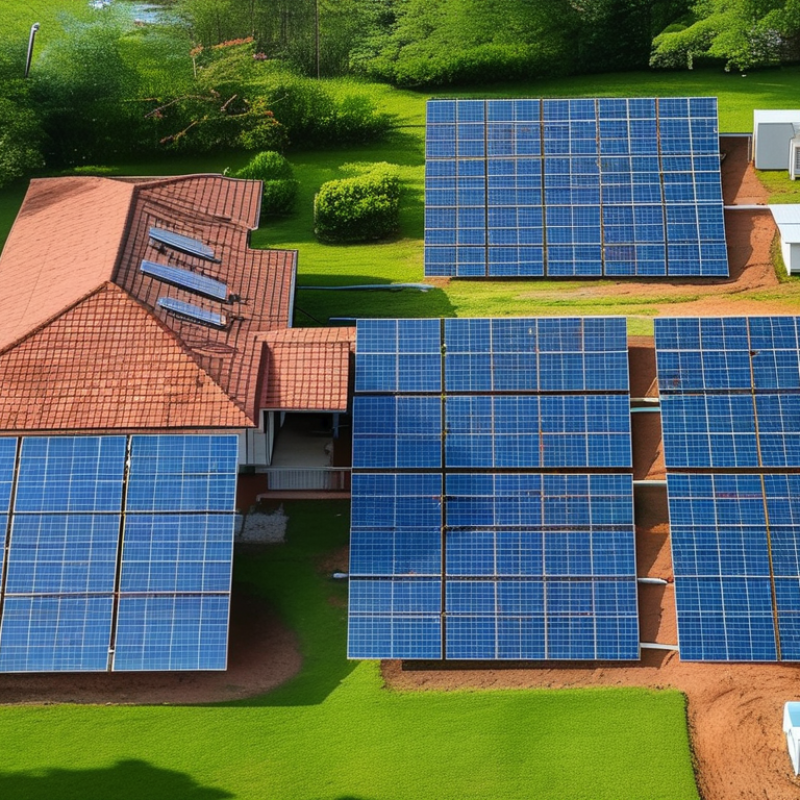
Understanding Different Types of Home Solar Panel Systems
When exploring home solar panel systems, understanding the different types is crucial. Solar panels primarily fall into three categories: monocrystalline, polycrystalline, and thin-film. Each type has unique advantages. Monocrystalline panels are known for high efficiency and space effectiveness, making them ideal for smaller roofs. Polycrystalline panels are more budget-friendly but slightly less efficient. Thin-film panels offer flexibility and lightweight options but tend to have lower efficiency overall.
Choosing the right system involves evaluating your home’s energy needs and roof space. Assessing sunlight exposure is also vital. A rooftop with ample sunlight will yield better results. You may find yourself reflecting on your long-term energy goals, as the upfront costs can be significant.
Consider factors like warranties and installation services while making a decision. You might also consult with solar experts to gauge which system suits your lifestyle. Exploring local incentives can aid in affordability. Engaging with community programs can enhance your understanding and create reliable support in your solar journey.
Assessing Your Home's Energy Needs for Solar Installation
Assessing your home's energy needs is crucial before installing a solar panel system. The average American household uses about 877 kWh per month. However, this can vary significantly based on factors like home size, number of occupants, and energy efficiency. Installing solar can reduce your reliance on grid energy by providing a cleaner, renewable power source.
To begin, evaluate your energy consumption over a year. You can obtain this information from past utility bills. This assessment can help determine the number of solar panels you'll require. For example, a typical solar panel produces around 300-400 watts. If your home needs about 7,000 watts, you'd need approximately 18-23 panels, depending on the panel's efficiency.
Additionally, consider your roof's orientation and shading. A south-facing roof with minimal shading is ideal. This position maximizes sun exposure, leading to better energy production. Many homeowners fail to account for seasonal changes in sunlight. Thus, reflecting on your home's specific conditions is vital. Accurate data will guide you in choosing the best solar option for your energy needs.
Energy Consumption Breakdown for Home Solar Panel Installation
Evaluating Roof Space and Orientation for Solar Panels
When considering solar panels, evaluating your roof's space and orientation is crucial. Start by measuring available roof area. Look for spaces free from obstructions like chimneys or vents. Even small shadows can reduce efficiency. Ensure the surface is structurally sound for panel installation.
Next, assess the roof's orientation. South-facing roofs typically receive the most sunlight. However, east and west orientations can also work well. The angle of your roof matters too. A steep pitch may enhance sunlight exposure, but it can complicate installation. Some homeowners face challenges with unconventional roof shapes, which may limit their options.
Reflect on your roof's condition before proceeding. If it's old or damaged, repairs may be necessary. A healthy roof will support panels better and avoid future complications. Analyze your local climate as well, as weather patterns influence solar energy generation. By addressing these aspects, you can make a more informed choice about solar panel systems.
Home Solar Panel System Tips for Choosing the Best Option
| Criterion |
Description |
Recommendation |
| Roof Space |
Assess the available area on your roof for solar panel installation. |
Ensure enough space for panel placement without any obstructions. |
| Orientation |
Determine the direction your roof faces; ideally, it should face south. |
If facing east or west, consider the potential impact on energy production. |
| Tilt Angle |
Evaluate the angle of your roof's slope; optimal angles vary by location. |
Aim for an angle that captures maximum sunlight based on your latitude. |
| Shading |
Identify any potential shading from nearby trees, buildings, or structures. |
Minimize shading by trimming trees or considering different panel placements. |
| Local Climate |
Research your area's average sunlight hours and weather patterns. |
Choose solar systems best suited for your climate to optimize efficiency. |
Comparing Costs and Financing Options for Solar Systems
When considering a home solar panel system, understanding the costs and financing options is crucial. A report from the Energy Information Administration (EIA) indicates that the average cost of installing solar panels in the U.S. ranges between $15,000 to $25,000. This stark range reflects variables, including installation, location, and system size. Homeowners should also consider additional fees, such as permits. A thorough cost-benefit analysis is vital for long-term savings.
Financing options can significantly affect the overall investment. According to a study by the National Renewable Energy Laboratory (NREL), more homeowners are opting for solar loans or solar leases. Loans allow you to own your system outright, leading to higher savings in the long run. Leases provide a lower upfront cost but may not deliver similar financial benefits. It's essential to weigh the pros and cons of these options.
Homeowners must reflect on their energy needs and budget constraints. Checking local incentives can also lower costs. Research shows that incentives can reduce the system cost by up to 30%. Understanding the available financing methods is an essential step. Carefully evaluating each option ensures you find a solution that fits your financial goals and energy needs.
Researching Reputable Solar Installers and Warranties
When researching reputable solar installers, it's crucial to consider their experience and track record. According to the Solar Energy Industries Association, the market for solar installations has grown significantly, with more than 3 million solar systems installed in the U.S. This growth suggests that many installers are reputable. However, verifying each company's credentials is essential. Look for installers with certifications such as NABCEP, which indicates a high standard of knowledge and professionalism.
Warranties also play a key role in selecting a solar installer. Solar panels typically come with a 25-year warranty for performance, but installation warranties can vary widely. Some installers may offer as little as five years, while others extend up to 25 years. It’s important to ensure that the warranties are transparent and cover both parts and labor. Reports indicate that many customers neglect to read the fine print, leading to confusion later. Understand what is truly covered and for how long. Red flags include overly complicated warranty terms or incomplete coverage details.
In addition, customer reviews and testimonials can provide insight into an installer's reliability. A study revealed that 80% of consumers trust online reviews as much as personal recommendations. Look for feedback that specifically mentions the installation process and support after the sale. Engaging with previous customers can offer valuable perspectives, confirming the installer's reliability and their commitment to service. This informed approach can help prevent future regrets and dissatisfaction.