2026 Best Vehicle Power Inverter for Your Needs?
As the demand for portable power grows, the importance of a reliable vehicle power inverter cannot be overstated. Studies show that nearly 70% of vehicle owners seek energy solutions for their electronic devices. The right inverter transforms your car into a mobile power station, making it easier to charge laptops, smartphones, and other devices on the go. With a variety of options available, selecting the best one can be overwhelming.
Consumer preferences have evolved, with a noticeable shift towards inverters that are compact and lightweight. Reports indicate that smaller, high-efficiency models are preferred, reflecting a trend towards maximizing limited space in vehicles. However, many users overlook critical specifications, which can lead to subpar performance. It’s crucial to assess wattage needs and safety features before making a decision.
Even with advanced technology, finding the ideal vehicle power inverter remains a challenge. Some products claim high output but lack durability. Users often experience issues like overheating and system failures. As you navigate through options, be mindful of these pitfalls to ensure you choose a dependable solution for your power needs.
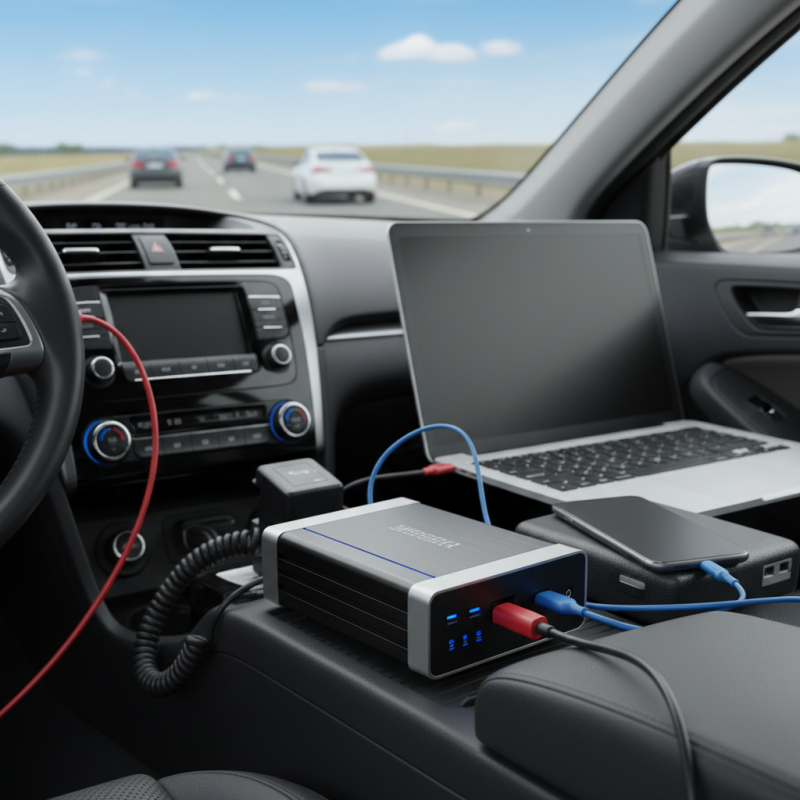
Understanding Vehicle Power Inverters and Their Importance
Understanding vehicle power inverters is crucial for anyone who uses electrical devices on the go. These devices convert the direct current (DC) from your vehicle’s battery into alternating current (AC), which powers household appliances. Imagine camping with friends and needing to brew coffee or charge your phone. A reliable inverter makes this possible.
However, not all inverters are created equal. It's essential to consider your power needs and the devices you plan to use. Some inverters are small and portable. Others are bulkier but offer higher wattage. You may find yourself frustrated if you choose an inverter that can't handle your devices. Overloading can be a common issue, often leading to blown fuses or overheating.
Furthermore, installation can be challenging for some users. A poorly installed inverter may not function optimally. Ensuring the inverter is properly connected is key to avoiding electrical issues. It's worthwhile to dedicate time to understand your vehicle's electrical system. This knowledge can prevent future headaches and enhance your outdoor experiences significantly.
Key Features to Consider When Choosing a Vehicle Power Inverter
When selecting a vehicle power inverter, several key features should be your focus. Power output is crucial. You need an inverter that meets your energy requirements. For instance, if you plan to run multiple devices, consider units with at least 1000 watts. According to industry reports, high-quality inverters typically have a surge capacity. This allows them to handle brief spikes in power, ensuring smoother operation for devices.
Another important aspect is inverter type. Pure sine wave inverters provide cleaner power. This is especially vital for sensitive electronics like laptops or smartphones. Modified sine wave inverters, while cheaper, may not be suitable for all applications. If your devices require stable power for longevity, it's worth investing in a pure sine wave model.
Tips: Make sure to check the inverter's safety features. Overload protection and short circuit protection are essential. These prevent damage to both the inverter and your devices. Also, consider the size and weight. Travel-friendly options can save space in your vehicle. It’s imperative to reflect on your specific needs. Not every inverter is a one-size-fits-all solution. Digging deeper into your actual usage will help you make the best decision.
2026 Best Vehicle Power Inverter: Key Features Comparison
Top 2026 Vehicle Power Inverters: Performance and Reliability Reviewed
When choosing a power inverter for your vehicle, performance is key. The right inverter can convert your car's DC power to AC power. This allows you to run multiple devices simultaneously. Think about how you will use it. If you need to charge laptops or power small appliances, ensure the inverter has enough wattage. Some models offer USB ports for convenience.
Reliability is another crucial factor to consider. An inverter that overheats or fails can ruin your road trip. Look for units with thermal protection features. Check user reviews for insights on long-term performance. Some users find certain models lacking in durability. It’s vital to read feedback to avoid costly mistakes. Finding a balance between power output and design is not easy.
Instruments vary greatly in size and functionality. Some are compact, while others are bulkier. Consider how much space you have in your vehicle. If you often travel alone, a smaller unit may work. Families or groups might need something more robust. Pay attention to the warranty provided. This can reveal how manufacturers view their products. Each choice involves some risk, and some reflections are necessary.
How to Install and Use a Vehicle Power Inverter Safely
Installing a vehicle power inverter can be a great way to provide energy on the go. However, safety should always be a priority. Before starting, ensure your vehicle is parked in a well-ventilated area. Heat build-up can be a significant risk, especially if you're using the inverter for long periods. Secure the inverter properly to avoid movement while driving.
Connection is straightforward. Many inverters connect directly to the car's battery. Ensure you use appropriate cables to prevent overheating. It’s also vital to think about the power requirements of your devices. An inverter that is too powerful can strain your vehicle's electrical system. Overloading may lead to failure or even damage.
Once connected, test the inverter with a small device. This helps identify any issues early. If the inverter makes strange sounds or becomes unusually hot, disconnect it immediately. Regular maintenance is key. Check the connections and cables frequently. Watch for fraying or wear. It’s easy to overlook these aspects, but they are crucial for safe usage.
Comparing Different Types of Vehicle Power Inverters for Your Needs
When choosing a vehicle power inverter, the type matters greatly. Different models offer various functionalities tailored for diverse needs. The most common types are modified sine wave and pure sine wave inverters. Modified sine wave inverters are more affordable and can power many devices. However, they may not be suitable for sensitive electronics.
On the other hand, pure sine wave inverters provide cleaner power. They work well with delicate gadgets. This makes them ideal for camping, road trips, or even emergency backups. However, they come with a higher price tag. It's essential to assess your budget and specific requirements before choosing.
Consider the power output too. Wattage varies between inverters, impacting the types of devices you can run. Some may only handle small loads, while others can power bigger appliances. If you’re uncertain about your needs, take time to reflect. A poor choice might lead to frustrating situations on the road. An inverter that can’t handle your devices could spoil your plans. Always review your requirements carefully.