
What Is the Best Type of Solar Panel for Home Use?
Choosing solar panels for home use is less about finding a single “best” product and more about matching a panel to your roof, budget, and energy needs. A compact roof may benefit from higher-efficiency panels, while a larger, unobstructed roof can offer more flexibility. Shade, roof direction, local weather, and the age of the roof all matter. Small details count: a vent can affect panel placement, and afternoon shade can change expected output. The name on the panel is only part of the decision.
International Energy Agency Executive Director Fatih Birol has described solar as “the new king of electricity markets.” That signals a major shift, but it does not mean every household should buy the same technology. This guide compares common panel types, including monocrystalline, polycrystalline, and thin-film options, then considers efficiency, durability, warranties, and value. It also explains how to read estimates without treating projected savings as guarantees. Ask installers to show their assumptions, including expected production and any shading losses. Compare equipment specifications, not just headline prices. And check whether the proposed system fits your actual usage, such as evening demand or seasonal changes. There is no perfect panel. Even a strong choice can disappoint if the system is poorly designed or the estimate is too optimistic. A little skepticism helps. The best fit is the one supported by clear evidence for your home.
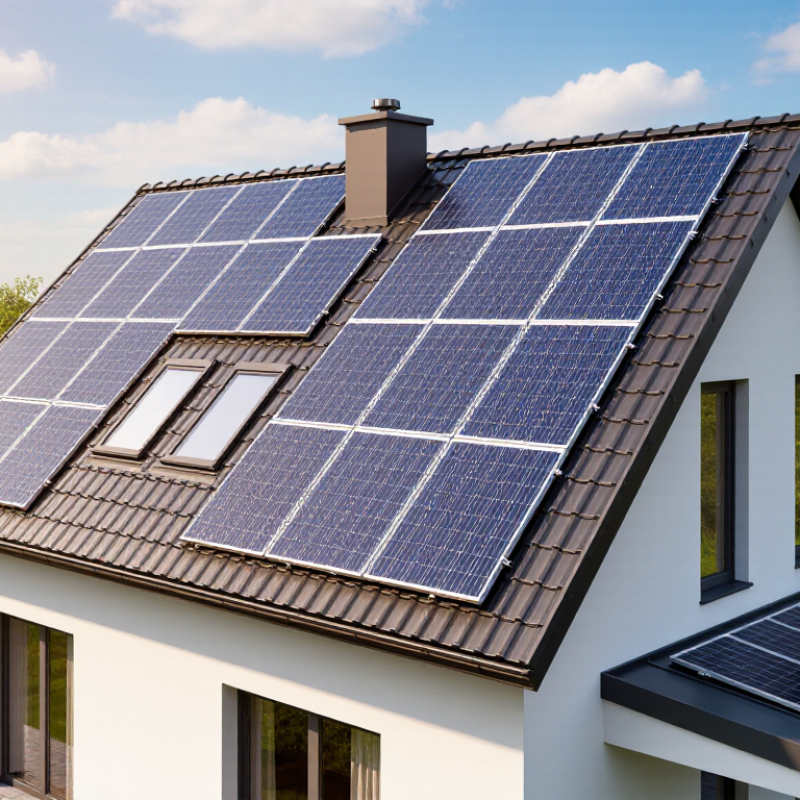
Define Roof Space, Budget, and Energy Needs Before Comparing Panel Types
What Is the Best Type of Solar Panel for Home Use?
Before comparing panel types, define what your roof can actually support. Measure usable sections, not the full roof outline. Chimneys, vents, skylights, and access paths reduce installation space. Note where trees or nearby buildings cast shade, especially around midday. A smaller roof may make higher-efficiency panels worth considering, but roof direction and shading also matter. Ask a qualified installer to check the roof’s condition and estimate its sunlight exposure. Online estimates are only a starting point.
Next, review a year of electricity bills to see how your use changes by season. Think about likely changes, such as an electric vehicle or new heating system, but avoid sizing a system around guesses. Set a realistic budget using total installed costs, including equipment and labor. Compare quotes on expected annual production and included services, not just the number of panels. It’s easy to focus on the lowest price; I’d still check the assumptions behind each estimate.
Tips: Start with the roof. List shaded areas and monthly electricity use before requesting quotes. If your figures are rough, say so—better estimates can come after a site assessment.
What Is the Best Type of Solar Panel for Home Use? — Define Roof Space, Budget, and Energy Needs Before Comparing Panel Types
| Panel type | Typical module efficiency | Roof-space requirement | Relative panel cost | Best suited to | Main trade-offs |
|---|---|---|---|---|---|
| Monocrystalline silicon | About 19–23% | Low to moderate. Higher efficiency can provide more power from a limited roof area. | Often moderate; prices vary by market, product, and installation. | Homes with limited usable roof space, or households seeking higher output per panel. | Commonly offers strong power density, but the total system cost still depends on equipment, labor, roof work, and local incentives. |
| Polycrystalline silicon | About 15–18% | Moderate to high. More roof area may be needed to reach the same system capacity as higher-efficiency panels. | Can be lower, though availability and price differences vary by region. | Homes with ample, mostly unshaded roof space where panel cost is a key consideration. | Typically less efficient than current monocrystalline options; fewer choices may be available in some residential markets. |
| Thin-film | Roughly 10–19%, depending on the thin-film technology and product | Often high for standard rooftop applications, though lightweight or flexible formats can suit certain surfaces. | Highly product- and application-dependent; specialized formats may cost more. | Projects where low weight, flexibility, or a specific surface requirement matters more than maximizing output per roof area. | Efficiency varies widely by chemistry and design. Check product-specific performance, durability, and installation requirements. |
How to choose: Estimate your annual electricity use, identify the roof area that is unshaded and suitable for solar, and compare complete installed-system quotes. Efficiency ranges are approximate and vary by product; panel efficiency alone does not determine total system value.
Related Posts
-
What is a Solar Panel and How Does It Work? A Complete Guide
-
Ultimate Guide to Choosing the Best Solar Energy Panels for Your Home
-
2026 How to Choose the Best Residential Solar Panels for Your Home?
-
Advantages of Choosing the Best Solar Panels for Sustainable Energy Solutions
-
7 Compelling Reasons to Choose the Best Solar Panel for Home Energy Solutions
-
2026 Best Type of Solar Energy Panels for Home?